Proper horse care is the foundation of a horse’s health, comfort, and long-term performance. Whether a horse is used for riding, competition, breeding, or simply kept as a companion, daily attention to its physical condition and environment is essential. Good horse care goes beyond feeding and grooming—it involves understanding the animal’s overall needs and creating a consistent routine that supports both physical and mental wellbeing.
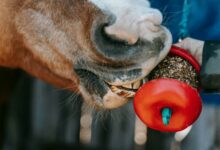
One of the most important elements of horse care is proper nutrition. Horses require a balanced diet based primarily on quality forage, such as hay or pasture, which supports healthy digestion. Fresh, clean water must always be available, as dehydration can quickly affect a horse’s health and energy levels. Depending on the horse’s age, workload, and condition, grains or concentrates may also be included, but these should be given carefully and in the right amounts. Overfeeding or sudden dietary changes can lead to digestive problems, including colic.
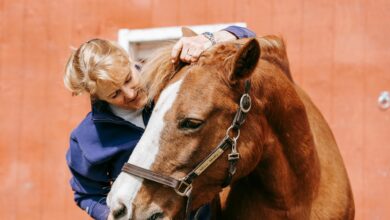
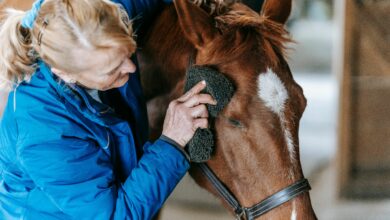
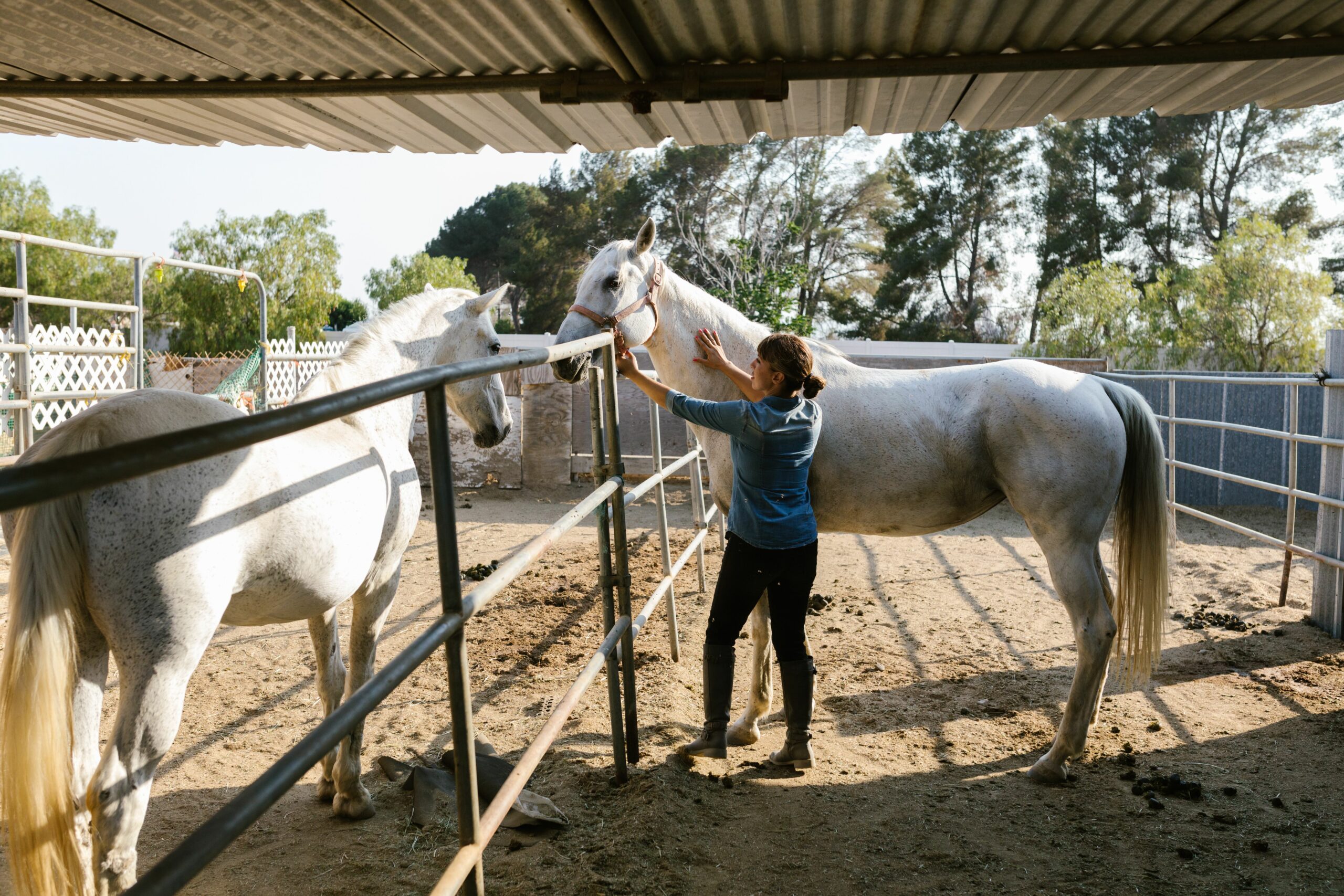
Grooming is another essential part of daily care. Regular grooming helps remove dirt, sweat, and loose hair, while also improving circulation and strengthening the bond between horse and handler. Brushing the coat, cleaning the hooves, and checking the mane and tail should all be part of a routine. Grooming also provides an opportunity to inspect the horse for cuts, swelling, heat, or any signs of irritation. Small problems can often be noticed early during grooming before they become more serious.
Among all care tasks, hoof care is especially important. A horse’s hooves should be cleaned daily to remove stones, mud, and debris that may cause discomfort or infection. Regular visits from a farrier are necessary to keep the hooves properly trimmed and balanced. Neglecting hoof care can lead to lameness and long-term movement issues. As the saying goes, “no hoof, no horse,” and this remains one of the truest principles in equine care.
A clean and safe living environment also plays a major role in maintaining a healthy horse. Stables should be well-ventilated, dry, and cleaned regularly to reduce the risk of respiratory issues and infections. Bedding should be fresh and comfortable, and turnout areas should be checked for hazards such as sharp objects, broken fencing, or toxic plants. Horses also benefit greatly from daily exercise and turnout, as movement supports joint health, digestion, and mental relaxation.
Routine veterinary care is essential for preventing illness and ensuring the horse remains in good condition. Vaccinations, deworming, dental care, and regular health check-ups should all be part of a planned schedule. Dental health is often overlooked, yet it directly affects a horse’s ability to chew properly and maintain body weight. Owners should also watch for signs of discomfort, loss of appetite, unusual behavior, or changes in movement, as these may indicate an underlying health issue.
Finally, good horse care includes attention to the horse’s emotional wellbeing. Horses are sensitive, social animals that thrive on consistency, calm handling, and companionship. Stress, boredom, or isolation can affect their behavior and health. Spending time with a horse, maintaining a routine, and providing mental stimulation all contribute to a happier and more balanced animal.
In the end, caring for a horse is a daily responsibility that requires knowledge, patience, and dedication. When a horse receives proper nutrition, grooming, exercise, medical care, and kindness, it is more likely to stay healthy, perform well, and enjoy a better quality of life.